
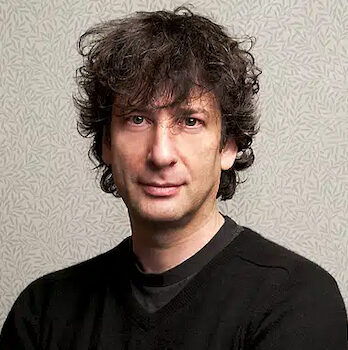
The Master of Mythos at the Crossroads: A Career Blueprint of Neil Gaiman
For decades, the name Neil Gaiman has been synonymous with the “Rockstar Author” archetype. From the seminal pages of The Sandman to the whimsical yet dark corridors of Coraline, Gaiman didn’t just write books; he built a multi-platform empire that bridged the gap between niche gothic subculture and mainstream Hollywood dominance.
However, as of February 2026, the narrative surrounding the Neil Gaiman biography has shifted from a celebration of storytelling to a complex study in crisis management and accountability. Following a series of sexual misconduct allegations that first surfaced in mid-2024 via Tortoise Media, the industry has watched as the “Gaiman Formula” faced its greatest stress test.
This deep dive analyzes the architecture of Gaiman’s rise, the mechanics of his specific creative industry influence, and the “Human Factor” of navigating a career-altering controversy in the modern era.
1. The Multi-Medium Blueprint: Transcending the Page
Neil Gaiman’s success wasn’t built on a single hit novel; it was built on IP Liquidity. He mastered the art of making a story work across comics, novels, radio plays, and streaming television.
The Strategy of “Creative Omnipresence”
Gaiman understood early on that a writer’s brand is stickier when it lives in multiple formats. Neil Gaiman movies and TV shows like American Gods and The Sandman (Netflix) aren’t just adaptations; they are expansions. By the time The Sandman Season 2 was in production, Gaiman had effectively moved from “writer” to “Executive Producer/Architect,” a role that gave him unprecedented control over his legacy.
-
Follower Synergy: By 2024, Gaiman’s combined social reach across X (Twitter), Tumblr, and Bluesky exceeded 10 million followers, a massive “direct-to-consumer” pipeline for his works.
-
Award Density: With 4 Hugo Awards, 2 Nebulas, and a Newbery Medal, Gaiman’s “Quality Signal” was so high that streamers like Amazon and Netflix entered bidding wars for his bibliography.
-
The “Technopathology” Connection: Gaiman often explored the intersection of myth and modern technology (seen in Technopathology themes within American Gods), making his work feel perpetually relevant to a digital-first audience.
Lessons for the Reader:
Don’t Settle for One Platform: If you are a creator, repurpose your core “story” into at least three different formats (e.g., newsletter, video, podcast).
Build a Quality Moat: High-tier awards act as a shield and a magnet for high-budget partnerships.
Own Your Audience: Gaiman’s active presence on Neil Gaiman Reddit and his personal blog meant he didn’t need a middleman to speak to his fans.
2. The Human Factor: The 2024–2026 Pivot and the “Smear Campaign” Defense
In the creator economy, the person is the product. When allegations surfaced involving nine women, the professional fallout was immediate. This section examines what happened to Neil Gaiman and how the industry responded.
The Impact of Allegations
The news cycle regarding how Neil Gaiman responded to the allegations has been a study in total silence followed by a fierce legal and PR counter-offensive. In February 2026, Gaiman broke a nearly year-long silence on his Facebook page, labeling the accusations—which range from coercive behavior to sexual assault—as a “smear campaign.”
-
The “Good Omens” Exit: Production on Good Omens Season 3 was famously halted in late 2024. Ultimately, Neil Gaiman was removed from Good Omens as an active producer, and the season was reduced to a single 90-minute finale to allow the production to finish without his direct involvement.
-
The Publishing Freeze: Giants like Dark Horse Comics and DC Comics (home of The Sandman) paused or canceled planned reprints and new projects.
-
Personal Life: The public also questioned why Amanda Palmer and Neil Gaiman split, as their 2022 divorce proceedings became entangled with the ongoing legal scrutiny and human trafficking allegations (which both Gaiman and Palmer have strenuously denied).
Lessons for the Reader:
The Fragility of Personal Brands: In the 2020s, “People-First” content means the creator’s character is inextricably linked to the work’s commercial viability.
Crisis Management is Long-Game: Gaiman’s 2026 return to writing suggests a strategy of “waiting for the storm to pass” while letting legal evidence (which he claims contradicts the accusers) lead his public defense.
Separation of Art and Artist: Readers are increasingly divided; a creator must understand that a significant portion of their audience may not follow them through a moral or legal crisis.
3. The “Make Good Art” Philosophy vs. Reality
Gaiman’s famous 2012 commencement speech, Make Good Art, encouraged creators to use trauma and failure as fuel. However, the where is Neil Gaiman now question reveals a creator trying to apply that advice to a much darker reality.
The Career Pivot: Returning to the Roots
As of early 2026, Gaiman has announced he is nearing completion of a new novel. This indicates a “Retreat to the Craft” strategy. When the massive machinery of Hollywood (Disney’s The Graveyard Book cancellation, etc.) slows down, the independent writer returns to the medium where they have total control: the book.
-
Neil Gaiman Books Impact: Despite the controversy, his back catalog remains a staple in libraries and bookstores. The “evergreen” nature of Neil Gaiman works provides a financial floor that few creators possess.
-
The Age Factor: At Neil Gaiman’s age (65), his legacy is already largely cemented. This allows him a different kind of resilience than a “rising star” who might be permanently “cancelled” by a single scandal.
Lessons for the Reader:
Diversify Your Revenue: Gaiman’s wealth is spread across royalties, film rights, and investments, making him “un-cancellable” in a purely financial sense.
The Power of Evergreen Assets: Write things that will be relevant in 20 years. Your “backlist” is your insurance policy.
Control the Narrative: By using platforms like Substack and Bluesky to link to evidence-based defenses, Gaiman is attempting to bypass traditional media “echo chambers.”
Strategic Comparison: Gaiman vs. Modern Creator Standards
| Feature | Standard Creator Strategy (2026) | The Neil Gaiman Blueprint |
| Platform Priority | High-volume video (TikTok/Reels) | Long-form “Mythic” storytelling |
| Brand Ties | Dependent on current sponsors | Built on 30+ years of Intellectual Property |
| Crisis Response | Immediate “Apology Video” | Legal silence followed by “Smear Campaign” defense |
| Audience Relation | Parasocial/High Engagement | “Mentor/Storyteller” authority |
| Adaptability | Rapid trend-hopping | Medium-hopping (Comics to TV to Stage) |
Forward-Looking Summary: The Future of Gaiman’s Legacy
The Neil Gaiman statement released in February 2026 marks a new chapter. He is no longer the “untouchable” dean of fantasy, but a figure fighting for his reputation while attempting to finish his next major work. Whether his Neil Gaiman movies and TV shows continue to find homes on streaming platforms will likely depend on the resolution of pending legal actions in New Zealand and the United States.
What to watch for next:
-
The release of the Good Omens 90-minute finale (expected late 2026).
-
The commercial performance of his upcoming novel.
-
The final legal rulings on the jurisdiction of the Scarlett Pavlovich lawsuit.
Sources:
-
The Guardian: Neil Gaiman claims sexual assault allegations are result of ‘smear campaign’ (Feb 2026)
-
Tortoise Media: “Master: The Allegations Against Neil Gaiman” Podcast Series
-
New York Magazine: “There Is No Safe Word” Investigation (2025)
-
Variety: Good Omens Season 3 Production Updates

Leave a Reply